Cute Skeleton Halloween Axolotl SVG
First Impressions: Playful, Not Precious — A Design That Knows Its Role
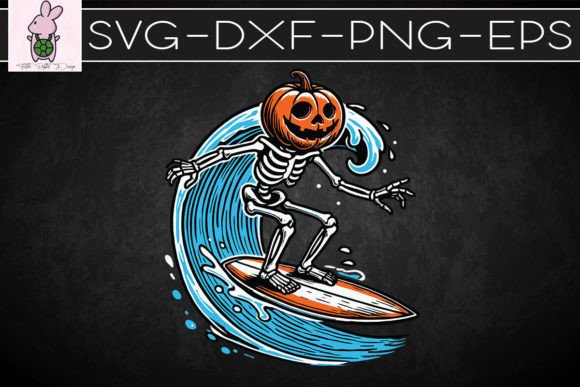
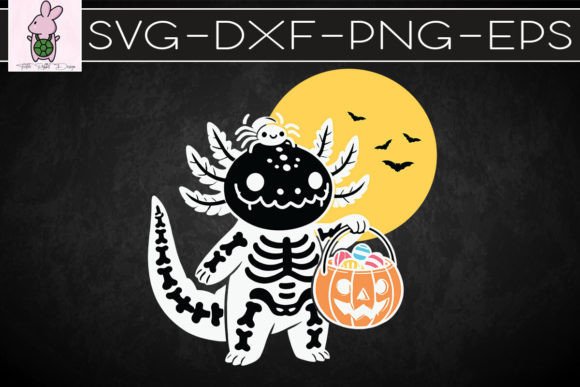
Opening Cute Skeleton Halloween Axolotl SVG, I immediately felt the balance it strikes: whimsical without being cutesy, spooky without being scary, and detailed enough to hold attention—but not so intricate that it fights you in the hoop. As an embroidery designer who’s stitched hundreds of seasonal graphics for small shops and Etsy sellers, I appreciate how rare that balance is. The axolotl’s grin is cheeky, its ribcage subtle but legible, and those little webbed feet? They’re just expressive enough to read at 2.5 inches tall—perfect for a tote bag or baby onesie. This isn’t a design meant for gallery framing. It’s built for real-world wear: soft fabrics, frequent washing, and customers who smile when they see it on their coffee sleeve or child’s backpack.
Where It Shines: Real Projects, Real Customers
I tested Cute Skeleton Halloween Axolotl SVG as the centerpiece for a custom embroidered cotton tote—intended for a local boutique’s October launch. On medium-weight canvas, with tear-away stabilizer and 40-weight poly thread, it stitched cleanly in under 90 seconds. No skipped stitches, no thread breaks, no floating limbs. That tells me the vector paths are well-constructed and optimized—not just traced from a PNG. It worked equally well on a lightweight sweatshirt (with cut-away stabilizer) and as a fused patch on denim. For craft business owners, this versatility matters: one file, multiple applications—tote bag design, sweatshirt embroidery, baby embroidery, even a tea towel motif with simplified fill stitch density.
Holiday embroidery like this lives or dies by recognition and warmth. Customers don’t buy “a skeleton.” They buy *personality*—and this design delivers it. Parents loved it on organic cotton onesies; teens chose it for snapback caps; gift shoppers added it to pillow covers for Halloween-themed nursery decor. As a digital embroidery file, it bridges the gap between playful theme and professional finish—no awkward scaling, no lost detail in corners, no jagged edges where satin stitch meets fill stitch.
Where to Proceed Thoughtfully
That said, Cute Skeleton Halloween Axolotl SVG isn’t magic—it’s a tool. And tools need context. On stretchy fabric like jersey or thin knit tees, I recommend testing with light fusible stabilizer first; the eye sockets and jawline have tight curves that can distort if the base fabric shifts. On dark fabric, double-check thread color contrast—especially for the tiny bone details. What reads clearly in a PNG mockup may vanish in black-on-navy stitching without a subtle underlay or tone-on-tone thread choice.
For curved surfaces—caps, beanies, or mugs with wrap-around embroidery—keep the design under 3 inches wide. Its horizontal emphasis works best on flat or gently contoured areas. Avoid placing it near seam allowances or high-friction zones (like underarm seams on shirts), where dense stitch areas could stiffen movement. And while it’s charming on baby embroidery, skip ultra-fine satin-stitched eyelids if stitching for newborns—opt instead for a simplified version with running stitch outlines for safety and wash durability.
Design Assets That Build Trust
What makes Cute Skeleton Halloween Axolotl SVG valuable beyond aesthetics is how it supports professionalism in handmade product presentation. When used in printable mockups for Etsy listings, it holds up at multiple sizes—no pixelation, no fuzzy edges. That consistency builds buyer confidence before a single stitch is made. For small shop owners, pairing it with cohesive fonts and complementary icons (think mini pumpkins or ghost accents) creates instant brand rhythm across holiday embroidery collections.
It also reinforces customer trust in your process. A clean, balanced machine embroidery design signals intention—not just “I found a free graphic online.” Buyers notice when stitches lie flat, when corners land crisply, when thread doesn’t snag on seams. That polish translates directly to perceived value, repeat orders, and word-of-mouth referrals. In short: this isn’t background filler. It’s a quiet ambassador for your craft business.
Practical Notes Every Embroidery Designer Should Run Through
- Always test on scrap fabric first—especially if using textured or dark materials.
- Review stitch density before finalizing. Dense fills look rich on towels but can stiffen delicate baby clothes.
- Confirm hoop size compatibility. While described as “cup-sized,” verify dimensions match your standard hoops (e.g., 4x4 or 5x7).
- Inspect small details like teeth, toes, and rib gaps—they’re charming but easy to lose in low-res conversions.
- Test in black-and-white mockups to assess contrast and clarity without color distraction.
- Use proper stabilizer—tear-away for stable wovens, cut-away for knits, and water-soluble for delicate layers.
- Check licensing terms before selling finished products or bundling as part of a commercial embroidery kit.
- Compare performance on light vs. dark fabric—some details may need slight manual tweaks for optimal legibility.
A Design That Fits—Not Just in the Hoop, But in the Market
Cute Skeleton Halloween Axolotl SVG belongs in the toolkit of designers who understand that holiday embroidery isn’t about trend-chasing—it’s about resonance. It fits naturally into Crafts and Graphics workflows because it’s both flexible and focused: simple enough for a beginner’s first applique design, polished enough for a boutique’s limited-edition run. Whether you’re prepping for craft fairs, building an Etsy seller portfolio, or designing personalized gifts for a local café’s Halloween pop-up, this file earns its place—not by shouting, but by fitting seamlessly into the rhythm of real making.
It won’t replace your core logo or flagship monogram. But as a seasonal accent, a conversation starter on a kitchen towel, or a joyful surprise on a baby blanket? Yes—it lands. And in embroidery, landing matters more than launching.