Stepping into BLM Juneteenth SVG: Graphics for Crafts & Purpose
As a graphic designer who’s built brand identities for Black-owned boutiques, curated seasonal campaigns for handmade businesses, and developed print-on-demand collections for Etsy sellers, I recently evaluated Stepping into BLM Juneteenth SVG for a real client project: a limited-edition Juneteenth capsule collection for a small-batch tea brand launching in June. My goal wasn’t just to see if it “looks nice”—it was to ask: Does this asset elevate the storytelling? Does it hold up across packaging, social media graphics, and product mockups without compromising professionalism or emotional resonance?
A First Impression That Speaks Before You Scroll
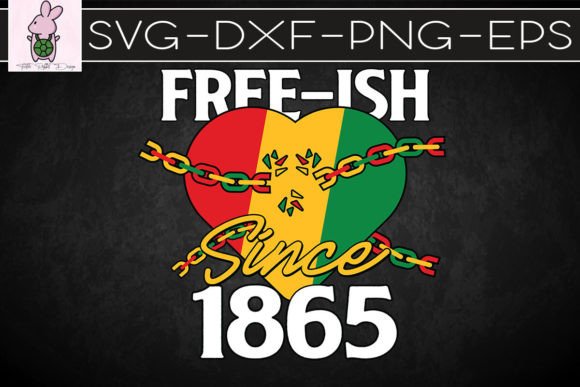
The moment I opened the folder, I noticed how intentionally layered the mood is—warm but grounded, celebratory yet reverent. The central motif isn’t just symbolic; it’s compositional: strong silhouettes, rhythmic line work, and subtle texture that reads as hand-drawn but refined. This isn’t clipart—it’s a graphic design asset with visual weight and cultural nuance. It leans into modern design without sacrificing authenticity, making it ideal for brands rooted in community, heritage, and conscious creativity.
Where It Shines in Real Client Work
In practice, Stepping into BLM Juneteenth SVG excels where intention meets execution:
- Product mockups and packaging design: Its cup-sized proportions translate beautifully to tea box labels, sticker seals, and reusable tote bag prints—especially when placed on kraft paper or muted linen textures.
- Social media graphics and Canva templates: The high-res PNG with clean background drops seamlessly into Instagram carousels, Pinterest pins, and email headers—no clipping masks needed.
- Cricut projects and printable design: The included DXF and vector-ready SVG files scale flawlessly for vinyl cutting, iron-on transfers, and sublimation design—critical for makers producing mugs, t-shirts, and wall art.
- Editorial design and campaign visuals: Used as a hero graphic or decorative accent, it adds warmth and cohesion to blog headers, digital ads, and event flyers—without overwhelming supporting text.
- Brand identity extensions: Paired thoughtfully with serif or display fonts, it supports logo design variations, pattern repeats, and themed collections—not as a logo itself, but as a trusted supporting element in the visual language.
Where to Use It With Intention (Not Assumption)
This asset carries presence—and presence demands context. It performs less effectively in:
- Small sizes: At under 1 inch wide, fine linework softens; test at actual usage scale before finalizing stickers or tag charms.
- Crowded layouts: When surrounded by dense typography or competing illustrations, its emotional impact flattens. Let it breathe.
- Minimalist or corporate branding: It’s not built for Fortune 500 annual reports. It belongs in handmade business, creative marketplace, and community-driven spaces—not sterile boardroom decks.
- Low-contrast backgrounds: On light gray or beige, subtle gradients may fade. Always preview on intended surfaces—especially for printed materials.
What It Adds to Your Design’s Emotional Architecture
Good design doesn’t just communicate—it resonates. Stepping into BLM Juneteenth SVG strengthens visual hierarchy by anchoring attention with meaning, not just shape. It boosts audience engagement because viewers recognize care in the craft—not just color choice, but symbolism, spacing, and reverence in line quality. For small business branding, that builds trust. For marketing visuals, it deepens recognition. And for editorial or web design, it signals alignment—not performatively, but through consistency across touchpoints.
Practical Designer Notes Before You Commit
Before dropping this into a client file, run these checks:
- Test in black and white: Confirm legibility and contrast integrity—essential for print-on-demand and accessibility.
- Preview on both light and dark backgrounds: Especially for website graphics or app UI elements.
- Scale it up and down: Verify crispness at 200% (for banners) and 30% (for footer icons).
- Drop it onto real product mockups: See how it interacts with fabric weave, ceramic glaze, or matte paper stock.
- Inspect PNG transparency: Ensure no stray pixels or halos—critical for sticker design and layered compositions.
- Open the SVG in Illustrator or Affinity Designer: Confirm vector editability—can you adjust stroke weight, recolor paths, or isolate elements?
- Pair it with your font stack: Try it beside serif (e.g., Playfair), sans serif (e.g., Montserrat), script (e.g., Pacifico), and handwritten styles—note which combinations feel harmonious versus cluttered.
- Verify commercial license terms: This is non-negotiable for client work, especially for digital product, printable design, or Etsy product resale.
Final Verdict: A Thoughtful Creative Asset, Not Just Another Download
Stepping into BLM Juneteenth SVG isn’t filler. It’s a purpose-built design bundle that serves real needs: honoring history while supporting livelihoods, blending activism with aesthetics, and meeting technical demands of Cricut projects, t-shirt design, and brand-consistent marketing visuals. For designers working with conscious brands, local events, or seasonal campaigns, it’s more than an illustration—it’s a collaborative tool. When used with respect for its intent and attention to its execution, it helps clients speak clearly, stand proudly, and design meaningfully.